

























































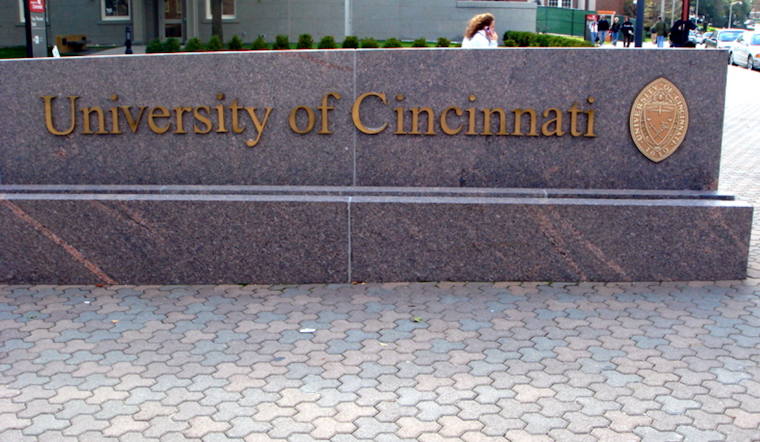
Students at the University of Cincinnati are digging deep into the complexities of cardiovascular disease, focusing on the stubborn problem of arterial calcification. According to a recent UC News publication, Associate Professor LaShan Hendrix and her team in the biomedical engineering department are questioning long-held beliefs about this life-threatening condition. "For so long it was treated as a given of aging," Hendrix told the university news team. "But we’re learning it's not just something that happens over time with age. The cells play a role. And that’s why we’re trying to reverse it at the cellular level."
In their lab at UC’s Bioscience Center, these findings are leading to innovative research to develop methods to possibly reverse the damage caused by hardened arteries, which is a significant factor in heart attacks and strokes. Exploring the cellular signaling pathways, they are meticulously questioning every junction leading to calcification. Having come from Mississippi State University in 2024, Hendrix has carried over a research portfolio that includes work on vascular calcification, smooth muscle cells, and gene therapy, efforts endowed with support from such institutions as the National Science Foundation and the National Institutes of Health.
Heart disease claims the lives of one in three adults in the United States, making it the country’s leading cause of death. As Hendrix observed, "Everyone knows someone who’s had a stent or bypass," noting the ubiquity of the condition in American health discussions. Stents and atherectomies are the current surgical interventions for managing arterial calcification. However, "There’s this thought in the research community that we solved vascular calcification because we have stents and atherectomies, where they go in with a diamond blade to cut out the calcification," she said in a statement obtained by the University of Cincinnati. "These procedures work temporarily to reopen the artery. But that’s living tissue they’re cutting out and the body heals and in healing the calcification can come back."
The significance of this research is underscored by the lack of available medicines to prevent or reverse arterial calcification. While the current procedures can provide temporary relief, the search for a more permanent solution intensifies with Hendrix's investigations. "There are no medicines to prevent or reverse it. And that’s what we’re working on in our lab," she continued. With ongoing research that dives into the cellular complexities of this widespread health issue, the hope is that this work could pave the way for new treatments that get to the root of the problem - rather than just trimming its leaves.





